Wedding Planning
Wedding Day Emergency Kit: What Couples Use and Who Should Hold It
The short wedding day emergency kit that gets used: what goes in it, Ohio seasonal extras, what to leave home, and who should carry it so it's there when a strap slips.
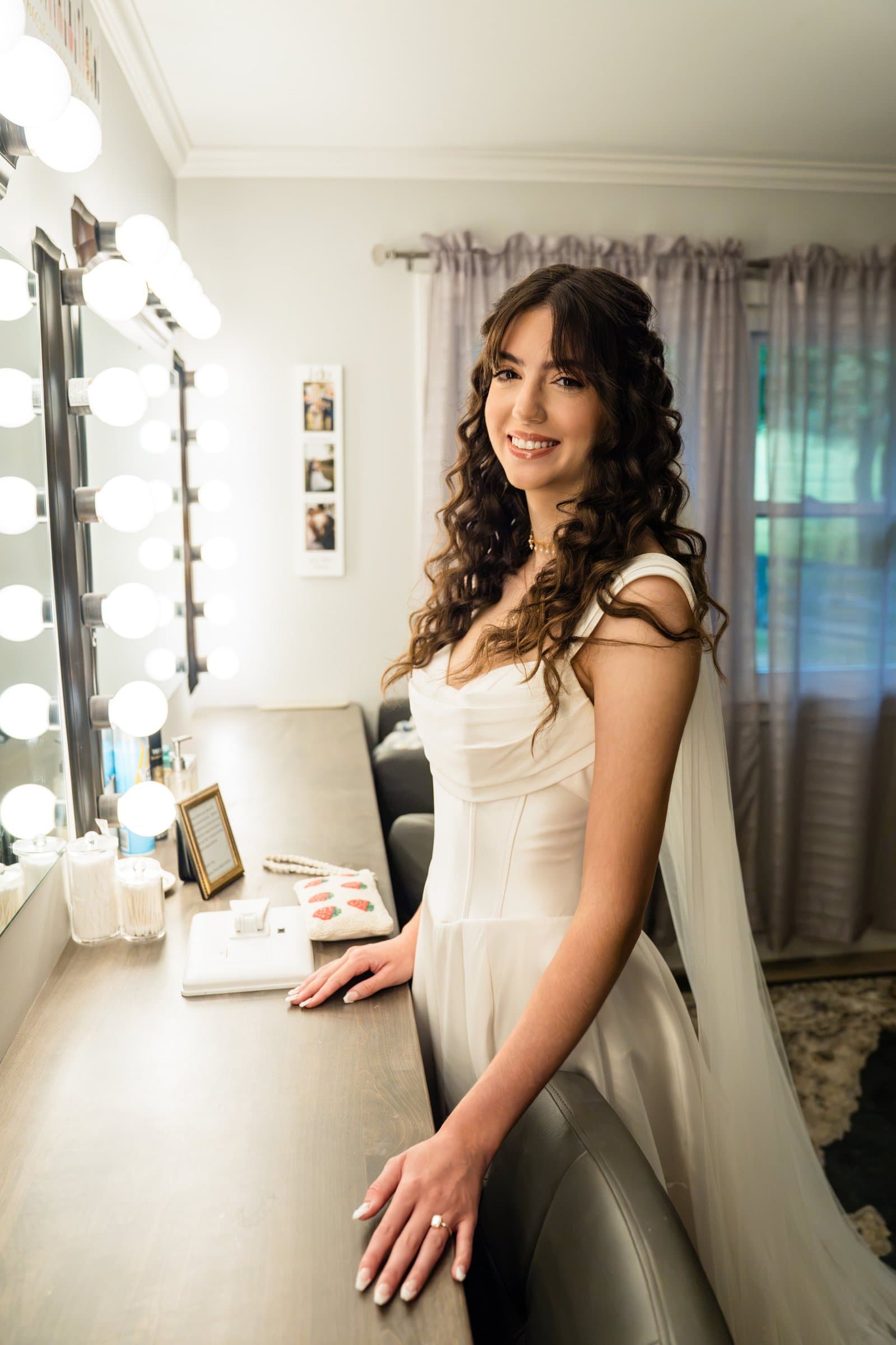
A wedding day emergency kit that actually gets used fits in one zip pouch: safety pins, fashion tape, a stain plan that's safe for your dress fabric, pain reliever, blister care, deodorant, tissues, snacks, water, a phone charger, and the day's timeline with vendor numbers. It's held by one calm person who isn't in the photos.
Some online lists run past 70 items. They aren't wrong, exactly. The trouble is that a basket that size stays in the bridal suite, and the problem happens on the lawn. Below is the short kit, the seasonal extras that matter in Ohio, what to leave at home, and the part most lists skip: who carries it and where it is at 6:00.
The core wedding day emergency kit checklist
This is the version we'd pack if we were packing yours. Each item fixes something in a couple of minutes without a trip to the car.
Clothes and fit
- Safety pins, a dozen in two or three sizes, including a few small gold or brass ones that disappear against ivory fabric
- Double-sided fashion tape for gaping necklines, sliding straps and a tie that won't lie flat
- Two needles, pre-threaded in white or ivory and black, wrapped around a card
- A lint roller. Dark suits pick up everything, and it shows in close portraits
- Clear nail polish to stop a run in tights
- Spare boutonniere pins
- Heel grips or blister pads
Stains
- White chalk for tiny marks on a white or ivory dress
- Plain white cloths or napkins for blotting
- A stain pen, only if your bridal shop or seamstress says it's safe for your fabric
The stain plan is the one item worth a conversation before the day. Silk, lace, beading and some synthetics react differently, and a stain pen that works on a cotton shirt can leave a ring on a gown. Asking at your final fitting what's safe for your dress takes a minute. On the day, a quick test on an inside seam and blotting from the outside in keeps a small spill small.
People
- Pain reliever, both ibuprofen and acetaminophen, since not everyone can take both
- Antacids
- Bandages in a couple of sizes
- Travel deodorant
- Tissues
- Tampons and pads
- Breath mints
- Blotting papers and lip balm
- Bobby pins and a couple of hair ties
- Contact solution or spare glasses for anyone who wears them
Prescription medications are the exception to "put it in the kit." They're better off with the person who takes them, or with a family member who knows the dose.
Food and logistics
- Water bottles
- Snacks that don't crumble, like granola bars, crackers or cheese sticks if there's a cooler
- A charged power bank and cable
- A printed copy of the day: the timeline, every address, and phone numbers for the planner, venue contact, DJ and photographers
- A pen and a small notepad
- Envelopes, if you're handing out vendor tips or final payments on the day
The printed timeline is the item that saves the most time. When a shuttle is late or a relative asks where the portraits are happening, whoever holds the kit can answer without finding you. If you've sent us your family formals list, we bring our own printed copy, but a second copy in the kit helps the family wranglers.
Ohio additions by season
North Central and Northeast Ohio can serve up a humid summer afternoon and a cold fall evening at the same venue a few months apart. The core kit stays the same all year; these go in depending on the month.
May through September: bugs and heat
- Insect repellent. CDC guidance is sunscreen first, repellent second. For anyone near the dress or a rented suit, picaridin is the gentler choice. DEET is a plasticizer that can damage some synthetic fabrics, plastics and painted surfaces, so it goes on skin, away from clothes, before anyone gets dressed.
- Sunscreen for an outdoor ceremony or cocktail hour
- Extra water and a small towel that can be wet down
- Allergy tablets (non-drowsy) for anyone with seasonal allergies
Heat is the one real safety issue on summer wedding days, usually for a groomsman in a wool suit or a grandparent at an outdoor ceremony. The CDC lists heavy sweating, weakness, dizziness, headache and nausea as signs of heat illness. Shade, water and loosened clothing come first, and worsening symptoms mean medical help. Whoever holds the kit knowing where the nearest air conditioning is covers most of it.
October through April: cold
- Disposable hand warmers, which fit in a pocket and warm hands up before close ring shots
- A wrap or jacket for outdoor portraits, kept near the door rather than in the car
- Lip balm and lotion, since cold wind dries skin fast
Our winter wedding guide covers how the short daylight changes the rest of the plan.
Any month: rain
A couple of umbrellas live with the kit year-round. Clear ones photograph far better than black ones. The full rain plan, from backup spots to protecting a hem, is in our rainy wedding day guide.
What to leave out of the kit
A kit gets carried around all day, so anything bulky that only works in one room belongs in that room instead.
- A steamer or travel iron. Steaming happens in the getting-ready room that morning, and it's easier to have one waiting there than to haul one around the venue.
- A full sewing kit. Two threaded needles and safety pins cover what gets fixed on a wedding day. Anything bigger is a job for after.
- Super glue near the dress. Useful for a shoe or a broken earring back, risky anywhere near fabric. If it's in the kit, it stays in a zip bag.
- A full makeup bag. Touch-ups for the couple are usually one lipstick and blotting papers. Everything else stays at getting ready.
- The rings and the marriage license. Rings go in the detail box for photos and then to whoever is carrying them for the ceremony. The license goes to the officiant at the rehearsal, which our Ohio marriage license checklist explains.
The kit is also a different thing from the detail box. The detail box is what gets photographed: rings, invitation suite, shoes, jewelry, heirlooms. The kit is what fixes things. Keeping them apart means nobody digs through bandages to find the rings, and the detail photos don't include a bottle of ibuprofen.
Who should hold the wedding emergency kit?
One person, named ahead of time, who is not in the wedding party. If we could change one thing about most wedding kits, it would be this.
The maid of honor is the traditional answer, and it's a hard job to add to hers. During the ceremony she's standing up front. During family formals and wedding party photos she's in them. That's exactly when a strap slips or a boutonniere falls off, and the kit ends up in a bag she can't reach.
Better choices, in rough order:
- A day-of coordinator or planner, if you have one. Many bring their own kit, so it's worth asking what's already in it.
- An aunt, family friend or cousin who is organized, stays calm, and isn't in the wedding party or the first rows of family photos.
- A venue coordinator, for the basics only. Some keep a kit on site, and they usually aren't free to follow you around the property.
Whoever it is, a quick look through the pouch the night before helps. Knowing that the safety pins are in the front pocket is the difference between a 30-second fix and five minutes of searching.
Two getting-ready locations means two kits
If you're getting ready at different addresses, each place gets a small kit. The second one can be lighter: safety pins, lint roller, fashion tape, pain reliever, mints, deodorant, a charger and water. Nobody wants a 20-minute round trip for a boutonniere pin.
Where the kit lives during the day
- Getting ready: in the room, out of the frame of the window light where photos happen
- Portraits: with the keeper, near where the photos are, not back at the suite
- Ceremony: with the keeper at the back or side, close to where the wedding party lines up
- Family formals: nearby, since this is when hair, ties and boutonnieres get fixed
- Reception: one known spot, like under the sweetheart table or at the coordinator's station, that the wedding party knows about
The fixes that come up most
These are the small problems that happen at weddings often enough to plan for, and the kit item that handles each one.
| What happens | What fixes it |
|---|---|
| Bustle hook or loop gives way on the dance floor | A small safety pin placed from underneath, by someone who learned the bustle at the final fitting |
| Strap slips or neckline gaps in photos | Fashion tape |
| Boutonniere falls off or droops | Spare pins |
| Makeup or drink mark on the dress | Blot, chalk, then the fabric-safe product your shop approved |
| New shoes raise a blister before the ceremony | Blister pads and a bandage |
| Someone is wilting in the heat | Water, shade, air conditioning |
| Phone dies before the ride home | Power bank |
The bustle deserves one more line. Whoever will bustle the dress after the ceremony, usually a bridesmaid or mom, is the right person to bring to the final fitting to learn it. A bustle that's only been done once, by the seamstress, is harder to fix in a dim reception hall.
If your dog is coming
Many sugar-free mints and gums contain xylitol, which the FDA warns can be life-threatening for dogs. If there's a dog in the day, the mints stay zipped in the kit and out of reach. Our guide to dogs at weddings covers the rest, including what goes in the dog's own bag.
Frequently asked questions
What should be in a wedding day emergency kit?
Safety pins, fashion tape, threaded needles, a lint roller, blister pads, pain reliever, antacids, deodorant, tissues, menstrual products, mints, snacks, water, a power bank, and a printed timeline with vendor phone numbers. Summer kits get bug spray and sunscreen; cold-month kits get hand warmers.
Who is supposed to carry the wedding emergency kit?
One organized person who isn't in the wedding party, such as a day-of coordinator, an aunt or a family friend. Bridesmaids are in the ceremony and the photos at exactly the moments small fixes come up, so a kit left with them is often out of reach.
Does the venue or planner provide an emergency kit?
Some do. Many day-of coordinators bring one, and some venues keep basics on site. It's worth asking what's in it, then packing only what's missing, especially anything personal like medications, menstrual products or a stain plan for your dress fabric.
Is a Tide pen safe on a wedding dress?
It depends on the fabric. Silk, lace, beading and some synthetics can water-mark or discolor. The safest plan is to ask your bridal shop or seamstress at the final fitting, test any product on an inside seam, and blot rather than rub.
Do we need two emergency kits?
Only if you're getting ready in two places. A lighter second kit for the other location saves a drive across town for a boutonniere pin or a lint roller.
Every couple we photograph gets help building their timeline, and the kit keeper's name is a good thing to have on it. If you're still looking for photographers, you can see our work or say hello.