Wedding Photography
Wedding Photography Styles Explained: How to Choose Yours
Documentary, traditional, editorial, fine art, and posed and directed: what each wedding photography style really looks like, and how to tell which one a photographer actually shoots.
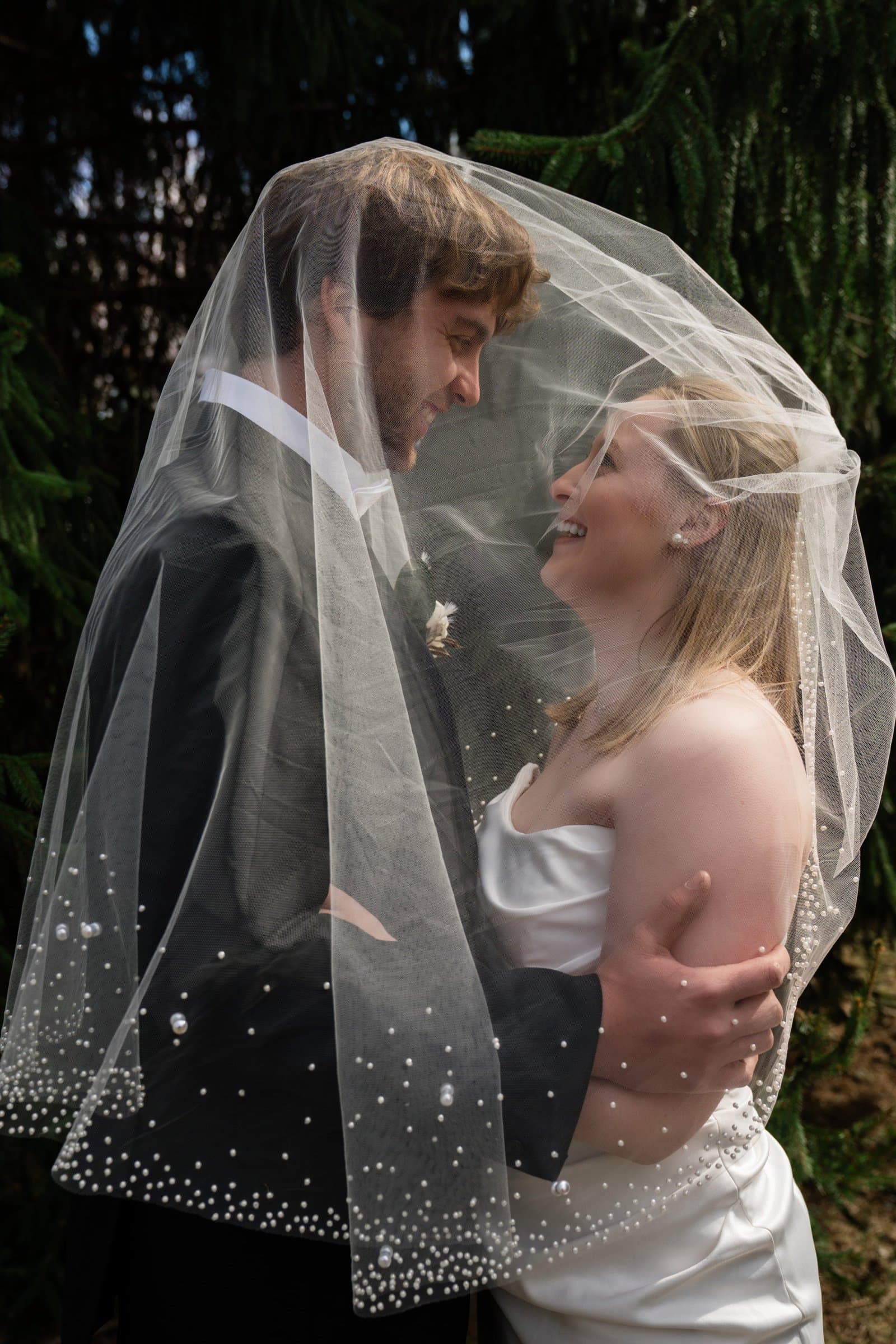
Most wedding photography falls into four styles: documentary (candid, unposed), traditional (posed and organized), editorial (polished, magazine-like), and fine art (artistic and composed). Nearly every photographer blends them. The difference that shows up in your gallery is simpler: when there is a choice, does your photographer wait for moments or direct them?
That one question explains more about a photographer than any label on their website. Below is what each style actually looks like, where editing fits in, how to read a portfolio so you know what you are getting, and where our own approach sits among them.
The main wedding photography styles at a glance
| Style | How the photographer works | A good fit if |
|---|---|---|
| Documentary (candid, photojournalistic) | Observes and anticipates. Little or no direction. | You care most about how the day felt, and you are comfortable with fewer set-up portraits. |
| Traditional (classic) | Organizes groups and poses people for clean, complete portraits. | Family photos matter a lot, and you want every grouping covered. |
| Editorial | Directs posing, light and composition for a styled, fashion-magazine look. | You love polished portraits and your day has strong design. |
| Fine art | Composes carefully, often with a soft or film-like finish and an artistic eye. | You want each frame to work as a piece of art on its own. |
| Posed and directed, with candids between | Poses you for portraits and formals, keeps shooting the real moments in between. | You get nervous on camera and want someone telling you what to do. |
These labels are marketing words, and photographers use them loosely. Two people who both say "documentary" can hand you very different galleries. The label is a starting point. Full galleries settle it.
Documentary wedding photography
Documentary photographers (you will also see "candid" or "photojournalistic") photograph things as they happen. They are reading the room, guessing where the next laugh or tear is coming from, and getting there first. Done well, it is a lot of skill that looks effortless.
It is also having a moment. Zola's 2026 First Look Report, based on a survey of more than 11,500 engaged couples, listed documentary photography as firmly in for the year.
The trade-off is direction. A purely documentary photographer may not tell you where to stand or what to do with your hands, so your couple portraits depend on how at ease you are in front of a camera. Family photos still happen, but some documentary photographers keep that block short and simple.
Traditional and classic wedding photography
Traditional photography is the style most people's parents had: organized family groupings, everyone looking at the camera, well-lit portraits of the couple and the wedding party. It has a reputation for being stiff, and older versions sometimes were.
What it gets right is completeness. Grandma is in a clean photo with the whole family, everyone's eyes are open, and nobody is half cut off at the edge of the frame. Those are the photos that end up framed in hallways. Traditional photos also age well because they are not chasing a look.
Editorial wedding photography
Editorial borrows from fashion and magazine work. It usually means directed poses, careful attention to how the dress falls, strong composition, and deliberate use of light and shadow. The photographer is shaping the image, not waiting for it.
Editorial galleries can look incredible, especially at venues with good architecture or strong design. They also take time and direction, so a very editorial photographer usually wants a longer portrait block. Some editorial work leans on bold reception flash; if that look appeals to you, our guide to reception flash photography covers how it works.
Fine art wedding photography
Fine art is the hardest label to pin down. Usually it means an artistic, composed approach with a signature finish, often soft and light, sometimes shot on film or edited to look like it. The photographer's own interpretation of the scene is a big part of the result.
If you love a fine art photographer's work, you are choosing their eye. That can be wonderful. The thing to check is whether their taste still leaves room for your family, your guests and the parts of the day that are not especially pretty but matter to you.
Posed or candid: the question that splits photographers
Almost every wedding includes both posed and unposed photos. Nobody photographs a ceremony by stopping the vows to pose people, and almost nobody delivers a wedding with zero family groupings. So the useful question is not "posed or candid?" It is "how much will this photographer direct us, and when?"
Three questions that get a real answer:
- What happens during couple portraits: specific directions, loose prompts, or following you around?
- How family formals run, and how long they plan for them.
- What their portraits of nervous-looking couples look like. That is where direction, or the lack of it, shows.
If you already know you freeze up on camera, we would lean toward someone who poses and directs. If you are both natural hams who hate being told where to stand, a documentary photographer may suit you better. Our post on looking natural in wedding photos when you are camera-shy goes deeper into how direction works in practice.
Editing style is a separate choice
A lot of what couples call "style" is really editing. Two photographers can shoot the same moment the same way and deliver photos that feel nothing alike, because one edits bright and airy and the other edits dark and moody.
- Light and airy: bright, soft, low contrast, often with pale greens and creamy skin tones.
- Dark and moody: deeper shadows, richer color, more drama.
- True to color: colors close to what was actually in the room, skin that looks like skin.
Heavily stylized edits tend to date faster than the photography underneath them. A look that is everywhere on social media this year can place your photos in a specific year a decade from now. If you plan to print an album or put photos on the wall (our guide to wedding albums and prints covers that), a natural, true-to-color edit is the safer bet.
How to read a wedding photographer's portfolio
A portfolio page is a highlight reel. Every photographer has 30 great frames from a year of weddings. What you are really hiring is the other 700 frames from your day, so this is how we would look at a photographer's work:
- One or two full galleries. Zola's list of questions for wedding photographers makes the same point: a complete gallery shows consistency in a way social media can't.
- The family formals. Are people lined up well, eyes open, nobody hidden behind a shoulder?
- The dark parts of the day. A church with dim light, a reception after sunset. Are faces clean and sharp, or muddy and orange?
- The ceremony, from more than one angle. Do you see both of your faces, plus guests reacting? That usually tells you whether there was a second photographer.
- Weddings like yours. Similar season, similar size, similar venue type. A photographer who shines at sunny July barns may be less proven in a November ballroom.
- How the couples look. If every couple looks relaxed, whatever the photographer is doing is working.
Where our style fits
We call ours Classic with Heart, and in the terms above it sits closest to traditional, with honest moments between the setups. We pose and direct you all day: where to stand, what to do with your hands, which way to look, and what comes next. Between those setups, the real moments are a big part of what we deliver too. Every wedding we photograph has two photographers on it, so the day gets covered from more than one angle.
We edit for clean, true color that will still look right in thirty years. Lasting over trendy is the heart of Classic with Heart.
It is one good option, and not the only one. If the two of you want a photographer who stays quiet in the corner all day, a documentary photographer is a better fit, and that is a perfectly good way to photograph a wedding. If you like the idea of being guided through it, our portfolio shows what that looks like across whole days.
Frequently asked questions
What is the most popular wedding photography style right now?
Documentary is the trend of the moment. Zola's 2026 First Look Report listed documentary photography as firmly in. That said, most couples still want organized family photos and at least some directed portraits, so most photographers deliver a blend.
Is candid wedding photography better than posed?
Neither is better. Candid photos capture how the day felt; posed photos get everyone included and looking their best. The right balance depends on how comfortable you are on camera and how much family photos matter to you.
What is the difference between editorial and fine art wedding photography?
Editorial borrows from fashion magazines: directed poses, polished styling, bold composition. Fine art is more about the photographer's artistic interpretation, often with a soft or film-like finish. There is overlap, and photographers use both terms loosely, so full galleries tell you more than the label.
Can one photographer do both posed and candid photos?
Yes, and most do. Posed work happens in set blocks like couple portraits and family formals, and candid work fills everything else. A second photographer makes it easier to catch unposed moments while portraits or formals are underway, which is one reason we cover every wedding with two. Our guide to second photographers explains what the second camera adds.
How do we describe the style we want to a photographer?
A handful of specific photos helps more than a style name. Five or six images you love, with a note on what you love about each ("relaxed but clearly directed", "the colors look real"), gives a photographer something concrete. The ones you dislike are just as useful.
If you want to talk through whether our approach suits your day, send us a note. We will tell you honestly.