Wedding Planning
Do You Need a Second Wedding Photographer? What Two Cameras Add
What a second shooter does on a wedding day, which moments one camera can't cover, and the questions that make photographer quotes easy to compare.
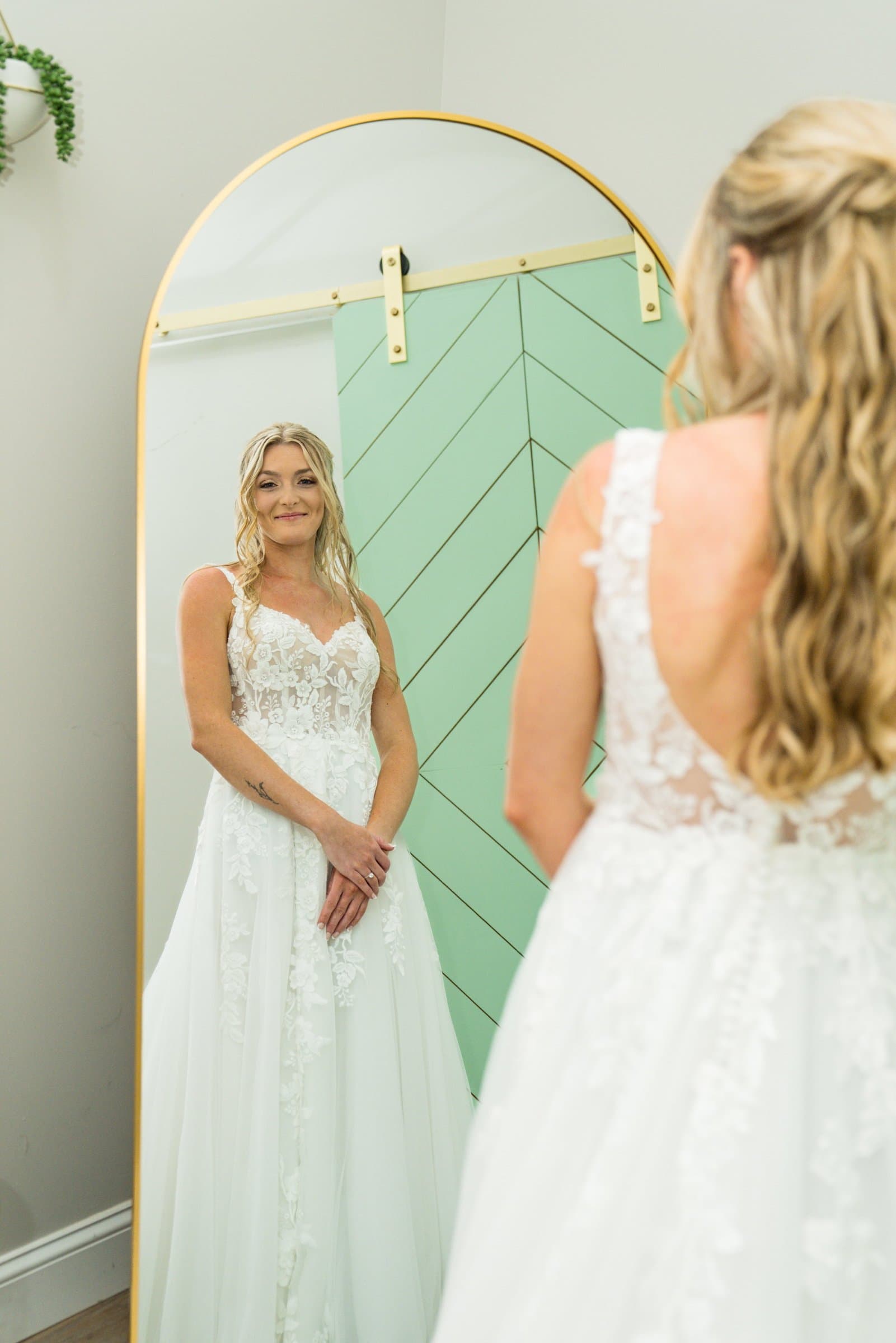
A second wedding photographer covers the moments that happen at the same time in different places, and gives you a second angle on the moments that only happen once. Your walk down the aisle and your partner's face watching you, both, at the same instant. Whether a quote includes a second photographer, for how long, and who that person is, can make two similar-looking quotes very different.
We should be upfront about our bias. Every package we offer includes two photographers, so we obviously think two is better. What follows is the honest version of why, plus the questions that help you compare any photographer's quote, including ours.
What does a second shooter do at a wedding?
A second shooter (or second photographer) is a working photographer with their own camera who shoots alongside the lead photographer all day, or for part of it. The lead usually handles the main moments and the posing. The second fills in the angles, reactions and simultaneous events a single camera can't reach.
Across a typical day, that looks like:
- Getting ready: both getting-ready spaces covered in the same window, instead of one being rushed or skipped.
- The ceremony: the processional from the front and the back, both faces during the vows, parents and guests reacting, and a wide shot of the room while the lead stays tight on the two of you.
- Portraits and cocktail hour: guests mingling and the reception room set up before anyone touches it, while formals and portraits are happening elsewhere.
- The reception: the first dance close up and from across the room, and the table reactions during toasts.
The moments one camera can't be in two places for
A single talented photographer can photograph a beautiful wedding. The limit is physics. Some moments point in two directions at once, and some happen in two rooms at once.
| Moment | With one photographer | With two |
|---|---|---|
| Walking down the aisle | Your walk, or your partner's reaction. Usually the reaction. | Both, at the same moment |
| Getting ready in separate rooms | Time split between rooms, or one side kept short | Both rooms covered in the same window |
| Vows and ring exchange | One side of the couple faces the camera | Both faces, plus the guests |
| Cocktail hour on a day without a first look | Formals and portraits, and few guest candids | Formals and portraits, plus candids of guests |
| Toasts | The speaker, or the couple reacting | The speaker and the couple reacting |
None of this changes how good any single frame is. It changes how much of the day ends up in the gallery.
A second camera is also a backup
This part rarely makes it into photographers' marketing, and it is one of the best reasons for two. Cameras jam, flashes die mid-toast, and batteries run out at inconvenient moments. With two professional photographers in the room, the moment is still being photographed from somewhere while any of that gets fixed.
Church rules make this more pronounced. Many churches, especially Catholic parishes, limit where photographers can stand and whether they can use flash. Catholic Wedding Help's overview of parish photography rules lists common ones: no movement during key parts of the liturgy, nobody in the sanctuary, nothing that blocks the congregation's view. In our experience those rules vary a lot from one parish to the next. When a photographer can't move during the vows, a second position already set up on the other side of the church is the difference between one angle and two.
When a second photographer matters most
Two cameras help at every wedding. A few situations make the difference much bigger:
- No first look. Family formals, wedding party photos and couple portraits all land in cocktail hour. Our first look vs. aisle reveal guide walks through how that shapes the day.
- Getting ready in two places, especially if they are across town. Our getting-ready photo guide covers what that part of the day includes.
- A long family formals list. A second photographer helps keep groupings moving and catches the candids of relatives waiting their turn. The family formals shot list guide has the groupings and how long they take.
- A bigger guest count or a big room, where the dance floor, the bar and the family tables are all happening at once.
- A church or venue with strict photography rules, for the reasons above.
How to compare wedding photographer quotes on this
"Second shooter available" can mean very different things on two quotes. These are the questions that turn them into an apples-to-apples comparison. For where photography sits against everything else you are paying for, our guide to the average wedding cost in Ohio has the category breakdown.
- Is a second photographer included, or an add-on? If it is an add-on, the price you are comparing is the package plus the add-on.
- For how many hours? Some quotes include a second photographer for the whole day, others only for the ceremony and part of the reception. It helps to know which hours your second covers.
- Is it written in the contract? "Two photographers" in writing is what counts, not a mention on a call.
- Who is the second photographer? A regular team member, or someone booked per wedding? Either can work well, as long as they are an experienced wedding photographer in their own right.
- Who edits their photos? The answer to look for is that everything is edited together so the whole gallery matches.
- Does the promised image count include the second photographer's work? Worth knowing when two quotes promise different numbers.
- Can we see a full gallery that includes second-photographer images? Zola's questions to ask wedding photographers recommends asking for a complete gallery for exactly this reason: it shows consistency in a way a highlight reel can't.
- What happens if a photographer is sick? Every professional has an answer to this one.
Second shooter vs. photography assistant
These get mixed up, and they are different jobs. A second shooter is a photographer whose images go into your gallery. An assistant helps the lead photographer with gear, lighting and wrangling groups, and may not deliver any photos at all.
Assistants can be genuinely useful, especially for lighting at receptions. They are not a second angle on your ceremony, so if two quotes list "a second person", the fair question is which one it is.
What a second photographer can't fix
Two photographers work inside the timeline you have. A formals list that runs long, a ceremony that starts twenty minutes late or hair and makeup that finishes after portraits were supposed to start all take time away from photos no matter how many cameras are there. Our wedding photography timeline guide shows how the blocks fit together.
The lead photographer's work still counts for the most. A second photographer adds angles and coverage to a style you already love. If you are still figuring out what that style is, our guide to wedding photography styles is a good place to start.
How we handle it
Every wedding we photograph has two photographers on it, at every package, for the whole day. We pose and direct you through portraits and formals, and with two photographers on the day, coverage carries on while one camera is across the room. Timeline help is part of every package too, so we plan where both cameras need to be before the day arrives. Package details are on our investment page.
Frequently asked questions
Is a second shooter worth it for a wedding?
For most weddings, yes. A second photographer gives you two angles on the aisle, the vows and the first kiss, covers events that happen at the same time, and keeps a camera working if something goes wrong with the other one. The bigger the guest list and the more locations involved, the bigger the difference.
Do small weddings need two photographers?
A small wedding has fewer things happening at once, so the gap between one camera and two is smaller. The aisle, the vows and the first kiss still point in two directions, though, and those are the moments you can't recreate. That is why we keep two photographers on every wedding.
How many more photos does a second shooter add?
It depends on the photographer and the day, so there is no reliable standard number. A better question than "how many more" is whether the promised image count on the quote already includes the second photographer's work.
Does the second photographer edit their own photos?
Usually not. In most studios the lead photographer or studio edits all the images together so the gallery has one consistent look. That is one of the easier things to confirm on a call.
What is the difference between a second shooter and an associate photographer?
A second shooter works alongside the lead photographer. An associate photographer is someone a studio sends to photograph a wedding as the lead, in place of the studio owner. If you are booking a specific photographer because of their work, it is worth asking whether they will be the one leading your day.
If you want a second opinion on the quotes you are comparing, ask us anything. We are happy to talk it through even if we are not the ones you book.