Heirlooms & Prints
Are Wedding Albums Worth It? Printing and Keeping Your Photos
How long wedding albums and prints really last, what separates a flush mount album from a photo book, how album design works, and a simple plan for keeping the digital files safe too.
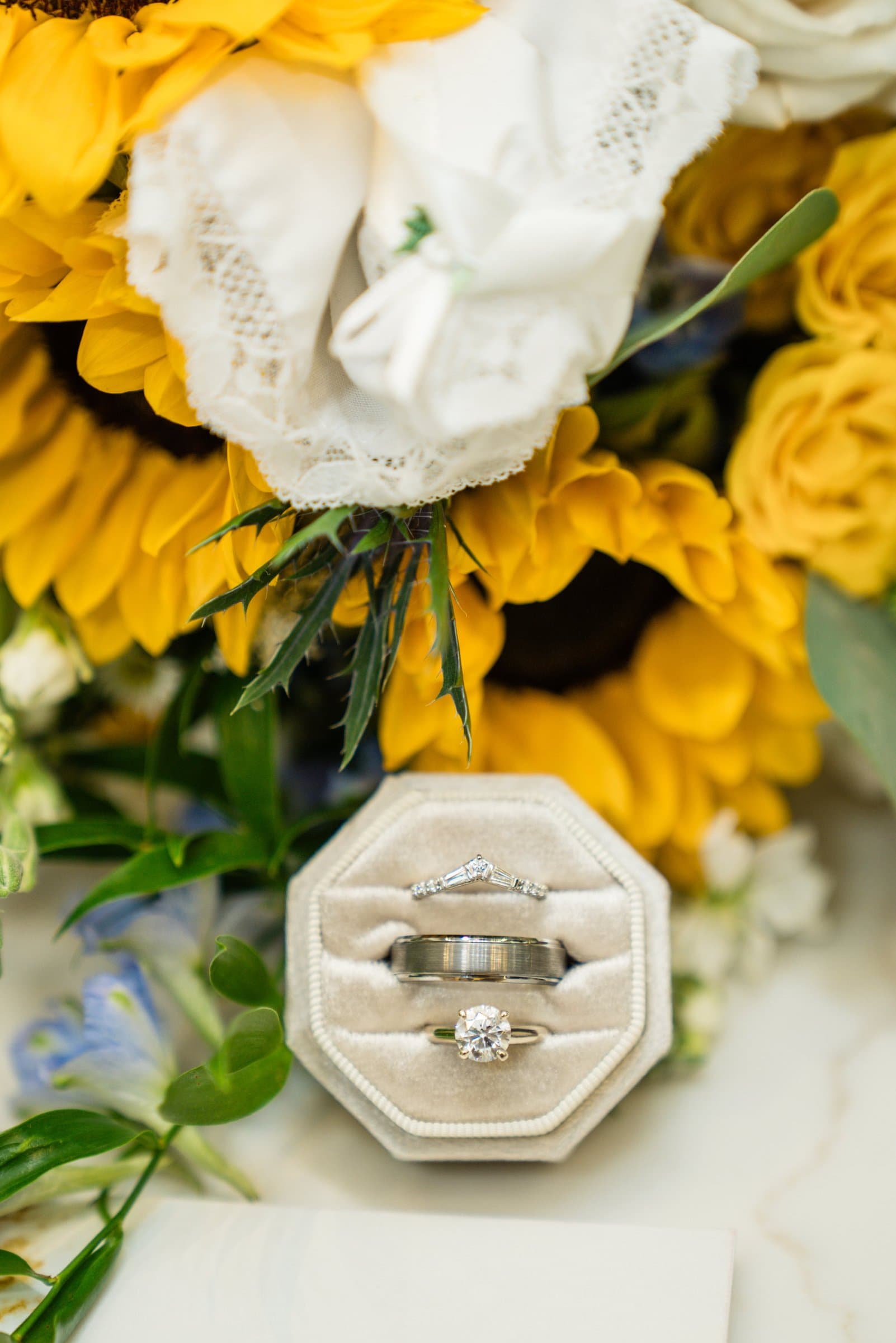
For most couples, a wedding album is worth it. It is the one version of your photos that needs no device, account or file format to open. Independent testing rates many photo prints at more than 100 years when they are kept in an album, away from light. The digital files still need their own backup plan, and this guide covers both.
Below: what the research says about how long prints and hard drives last, how albums differ, how album design works, and where to keep everything.
Why print wedding photos at all?
Digital files are not fragile the way people often say. They are fragile in quieter ways. The files outlive the hardware, but they depend on someone copying them forward, remembering the password, and keeping the account active.
A few real examples of how that goes wrong:
- Platforms lose things. In 2019, Myspace confirmed that music uploaded between 2003 and 2015 had been lost in a server migration, and said the files could not be recovered. Photos and videos from those years were affected too.
- Accounts expire. Google's inactive account policy allows it to delete accounts that haven't been used in two years, including what is stored in them.
- Nobody copies them forward. The Library of Congress recommends making new copies of personal digital photos every five years, because storage media age and go obsolete. Most families never do.
There is also the human side. In a set of experiments published in the Journal of Consumer Research, people consistently valued physical goods more than digital versions of the same thing, including souvenir photographs. The researchers linked it to a stronger sense of ownership over physical objects. That matches what anyone with a parent's wedding album on the shelf already knows: it gets pulled out and passed around, and a folder of files mostly does not.
How long do hard drives actually last?
Longer than their reputation. Backblaze, a cloud storage company that publishes failure data on its own drives, reported an annualized failure rate of 1.36% across 344,196 hard drives in 2025. In a 2025 analysis of drive age, failure rates in its fleet peaked at 4.25%, and not until drives were over ten years old.
Two caveats. Those are data-center drives running in climate-controlled racks and replaced on a schedule, which is a very different life from an external drive that rides in a backpack. And a low failure rate does nothing for the drive that gets dropped, stolen or lost in a basement flood. One copy on one drive is still one copy.
How long do printed wedding photos last?
It depends on three things: how the image was printed, what it was printed on, and whether it lives in the dark or on a wall.
The most-cited independent source on this is Wilhelm Imaging Research, which tests prints for fading under light and in dark storage. A few of its published ratings:
| Print type (as tested) | On display | Album or dark storage |
|---|---|---|
| Silver-halide photo print (Fujicolor Crystal Archive) | 40 years | More than 100 years |
| HP Indigo press print on photo paper (a press widely used for photo books) | 31 years | More than 200 years |
| Epson pigment inkjet (UltraChrome HDX/HD inks) | Up to 200 years, color | More than 200 years |
Sources: Wilhelm's 2011 ratings for HP Indigo prints, with silver-halide comparisons, and Epson's 2015 announcement of Wilhelm's ratings for its pigment inks. Ratings are years before noticeable fading under the lab's test conditions, and they vary by specific paper. The Fujicolor and HP Indigo display ratings are for prints framed under glass.
Two things stand out. Prints last far longer in an album than on a wall, which is one of the best arguments for albums. And Wilhelm is explicit that its ratings cover printed pages only. The glue, binding and cover materials of an assembled book are not something anyone can meaningfully test for decades of aging. So when a company promises an album will last 100 years, the honest reading is that the prints inside are rated for that, and a well-built binding is the part you are trusting.
Flush mount album, lay-flat book or photo book?
These terms get used loosely. This is roughly how they break down:
- Flush mount album: photographic prints mounted onto thick, rigid board pages. The pages don't bend, and images run edge to edge and across the spread with no margin.
- Lay-flat photo book: opens flat so a photo can cross the middle without disappearing into the fold, but with thinner pages that flex. Often printed on a press rather than photographic paper.
- Standard photo book: the kind you order online for a vacation. Thin pages, a traditional bound spine, and a gutter in the middle where part of any spread photo gets lost.
For a wedding album that will be handled for decades, we would lean toward thick pages and a lay-flat binding, and toward knowing how the pages are printed. "Which lab makes it, and what paper and printing process does it use?" is a fair question for any photographer or company, and a good one will answer it without hesitating.
How wedding album design works
Most professional albums follow the same basic path:
- Choosing favorites. Couples usually start by marking the photos they love most in the gallery. A rough list is plenty; the designer fills in the story around it.
- The first design. The photographer or a designer lays out the story in order: details, getting ready, the ceremony, family, the two of you, the reception. Good design mixes full-spread images with smaller groups so the book has pacing.
- Review and changes. You see a proof, usually online, and swap photos or request changes.
- Printing and binding, then delivery.
The editing is the hard part for most couples. A wedding gallery has hundreds of images and an album has a set number of pages. Page limits are a feature. An album with room for every photo turns into a second gallery; one with limited pages turns into the story of the day, told by the best frames. Family groupings earn their pages, too, since they are the photos later generations use to put names to faces. Our family formals guide covers how to build that list.
Editing style matters for longevity as much as paper does. A heavily trendy edit can date a book faster than the prints fade. We covered how to spot that in our guide to wedding photography styles.
Where to store a wedding album
An album is a book, and the Library of Congress guidance for books and photographs is practical:
- Somewhere you live, not an attic, basement or garage. The Library of Congress advises against storing anything of value in poorly insulated spaces like those, and recommends a cool, relatively dry room: 70°F or below and 30 to 55% relative humidity. In most Ohio houses, that means a closet or shelf on a main floor.
- Out of direct sun. The Library of Congress notes that all photographs exposed to light, even behind UV-filtering glass, eventually suffer light damage. A shelf beats a sunny coffee table.
- In its box, if it came with one. The Library also recommends storing albums in a preservation-quality box.
- Clean hands. The Library recommends freshly washed hands or gloves, and not touching the photo surface.
For loose prints, the Library's photo care guidance recommends sleeves and boxes that have passed the Photographic Activity Test (labeled "PAT" on archival supplies) and steering clear of PVC plastic. The Library's FAQ also advises against magnetic albums.
Wall prints are the exception to all this, because they live in the light. For a favorite portrait, many families frame a print and keep a second copy of the same image in the album or a box. Our golden hour portraits guide covers the sunset photos that often end up framed.
A simple backup plan for the digital files
Prints and files do different jobs, and it is best to have both. The Library of Congress guide to preserving digital photos boils down to a few steps:
- The full-resolution gallery, downloaded soon after delivery. An online gallery is a convenient way to view and share, not an archive.
- At least two copies, stored as far apart as practical. A common setup is one on your computer, one on an external drive, and one with a cloud backup service.
- Clear folder and file names, so someone else could find them without you.
- New copies every five years, or whenever you replace a computer or drive.
That last step is the one that slips. An album on the shelf is the backup for the day nobody remembers where the drive went.
Albums and prints through our studio
Every gallery we deliver comes with a print release, so you can print your photos anywhere, at any size. Galleries are delivered on Pic-Time, which has a print shop built in if you want the easy route.
For something designed for you, we offer a Wedding Book add-on (12x8, 30 pages, professionally designed), along with wall art and print collections: the Metal Wall Art Collection, Canvas Gallery Heirloom Collection, Gallery Wall Statement Collection, Forever After Premium Collection, Cherished Moments Classic Collection and Sweet Memories Starter Collection. Current details are on our investment page.
Frequently asked questions
How long does a wedding album last?
The prints inside a good album can last a very long time. Independent testing by Wilhelm Imaging Research has rated many photo papers and printing processes at more than 100 years in album or dark storage. Binding and cover materials are harder to rate, so construction quality and storage conditions matter too.
Is a wedding album worth it if we have the digital files?
Yes, for most couples. Files need active care to survive: copies, new drives, working accounts. An album needs a shelf. Having both covers the ways each one can fail.
How many photos go in a wedding album?
It depends on the album size, page count and layout. Pages that mix one large image with small groups of two to four photos read well. A smaller album with only the strongest frames usually looks better than a crowded one.
What is the difference between a flush mount album and a photo book?
A flush mount album has photographic prints mounted on thick, rigid pages that lie flat. A photo book has thinner, flexible pages, is usually press-printed, and may not open flat. Flush mount albums are built for decades of handling.
Where is the best place to keep wedding photos and albums?
A closet or shelf in a living space, out of direct sunlight. The Library of Congress recommends 70°F or below and 30 to 55% relative humidity for books, and advises against attics, basements and garages.
If you are weighing an album or wall art for your own photos, ask us anything. We are happy to talk through what fits your home.